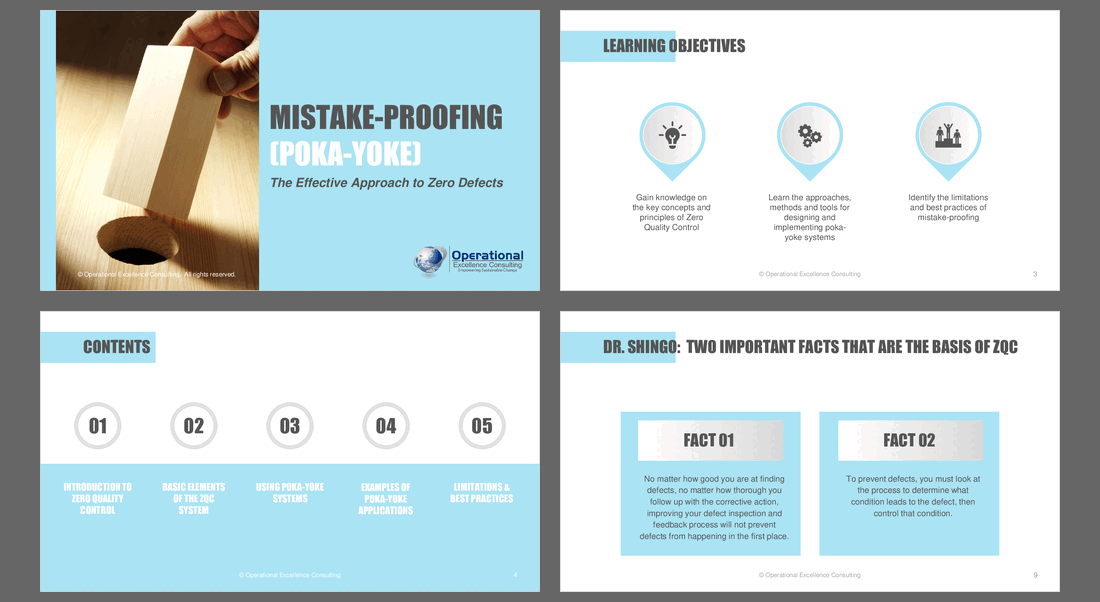

The Zero Quality Control (ZQC) is the most effective mistake-proofing approach. The system prevents defects as well as monitors processing conditions at the source and corrects errors that would cause defects.
Based on the breakthrough approach developed by Dr. Shigeo Shingo, mistake-proofing devices called poka-yoke are used to check and give feedback about each product or operation in the process, not just a sample. Poka-yoke is a technique used to prevent mistakes from occurring in a process. It involves designing a process in such a way that it is impossible to make mistakes.

This presentation introduces the basic methodology of ZQC in a logical format and covers all aspects of this important manufacturing improvement strategy. You will learn that the culture of zero defects can be developed by training and educating teams on the approaches to poka-yoke, and using contact and non-contact methods with visual controls and auditory systems to create effective, reliable and low-cost poka-yoke systems that catch mistakes and prevent defects from happening.
|||||||||||||||||||||||||||||||||||||||||||||||||||||||||||||||||||||||||||||||||||||||||||||||||||||||||||||||||||||||||||||||||||||||||||||||||||||||||||||||||||
This training package includes:
1. Mistake-Proofing training presentation (PowerPoint format, 16:9 widescreen)
2. The Inspection Exercise (PowerPoint format, 4:3 standard screen) -FREE
|||||||||||||||||||||||||||||||||||||||||||||||||||||||||||||||||||||||||||||||||||||||||||||||||||||||||||||||||||||||||||||||||||||||||||||||||||||||||||||||||||
LEARNING OBJECTIVES
1. Acquire knowledge on the key concepts and principles of Zero Quality Control (ZQC).
2. Learn the approaches, methods and tools for designing and implementing poka-yoke systems.
3. Identify the limitations and best practices of mistake-proofing.
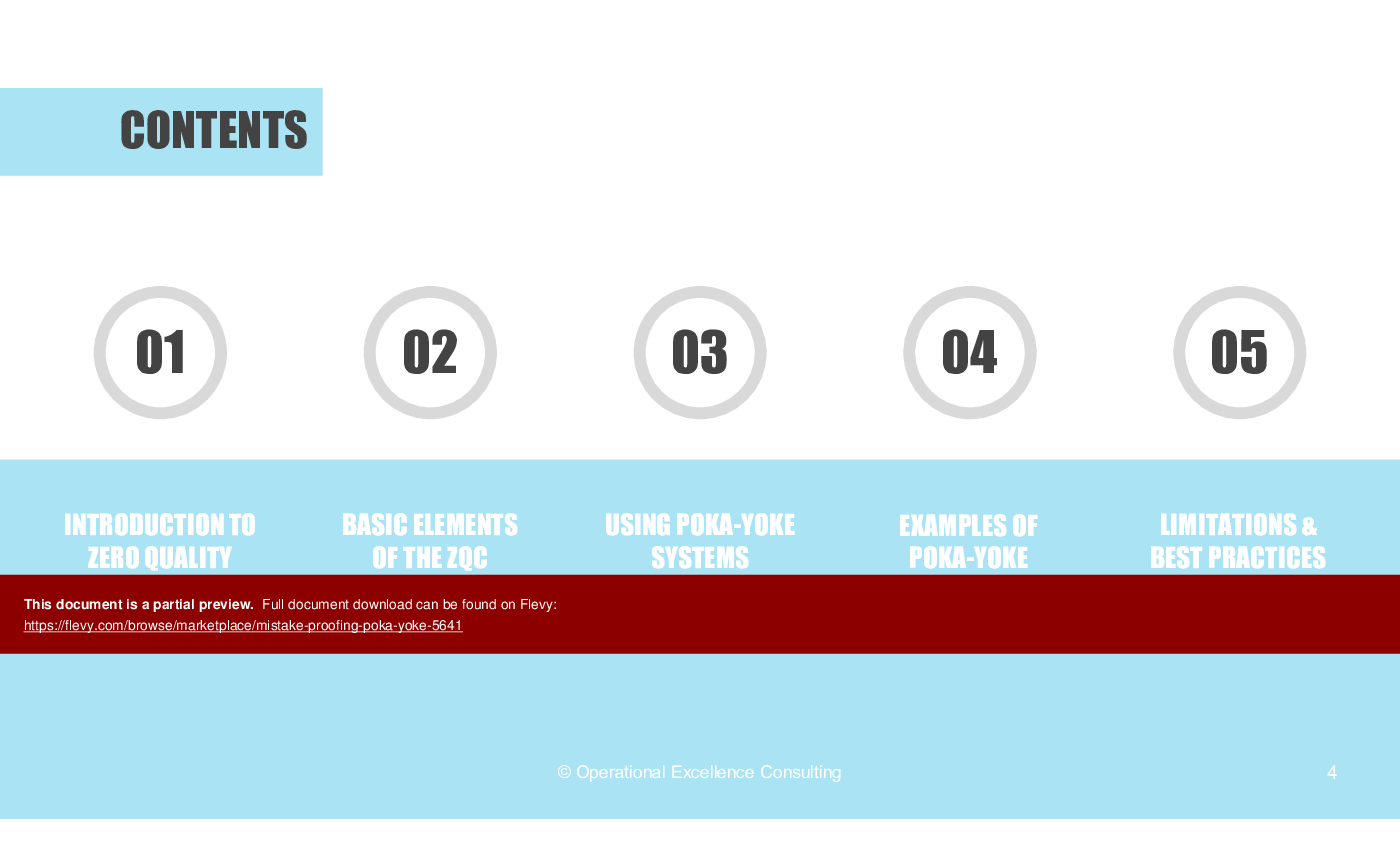
CONTENTS
1. Introduction to Zero Quality Control (ZQC)
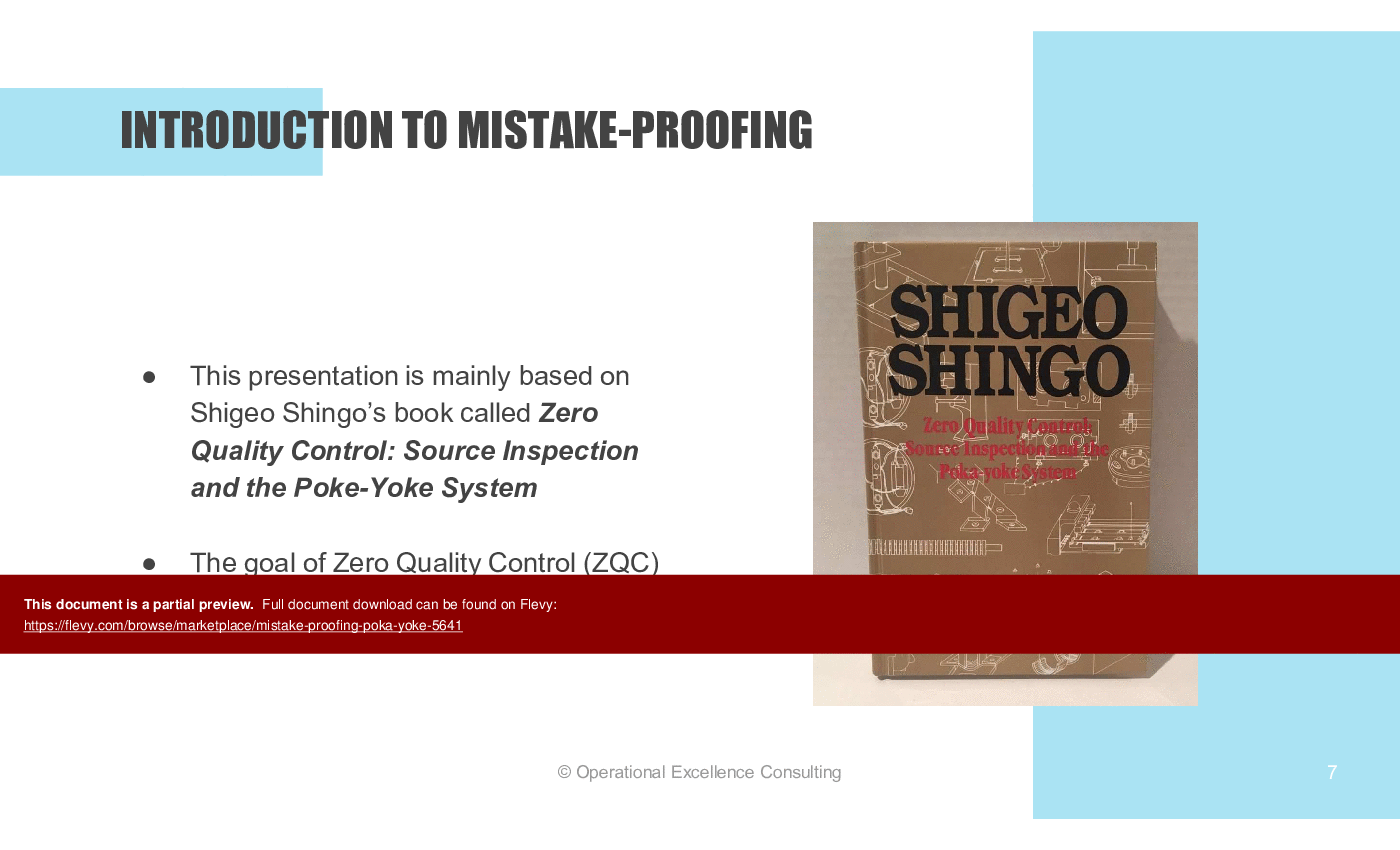
• Introduction to Mistake-Proofing
• Traditional Inspection is a Poor Substitute for Quality
• Towards a Culture of Zero Defects
• Error Prevention is Better than Defect Detection
• The 1-10-100 Rule
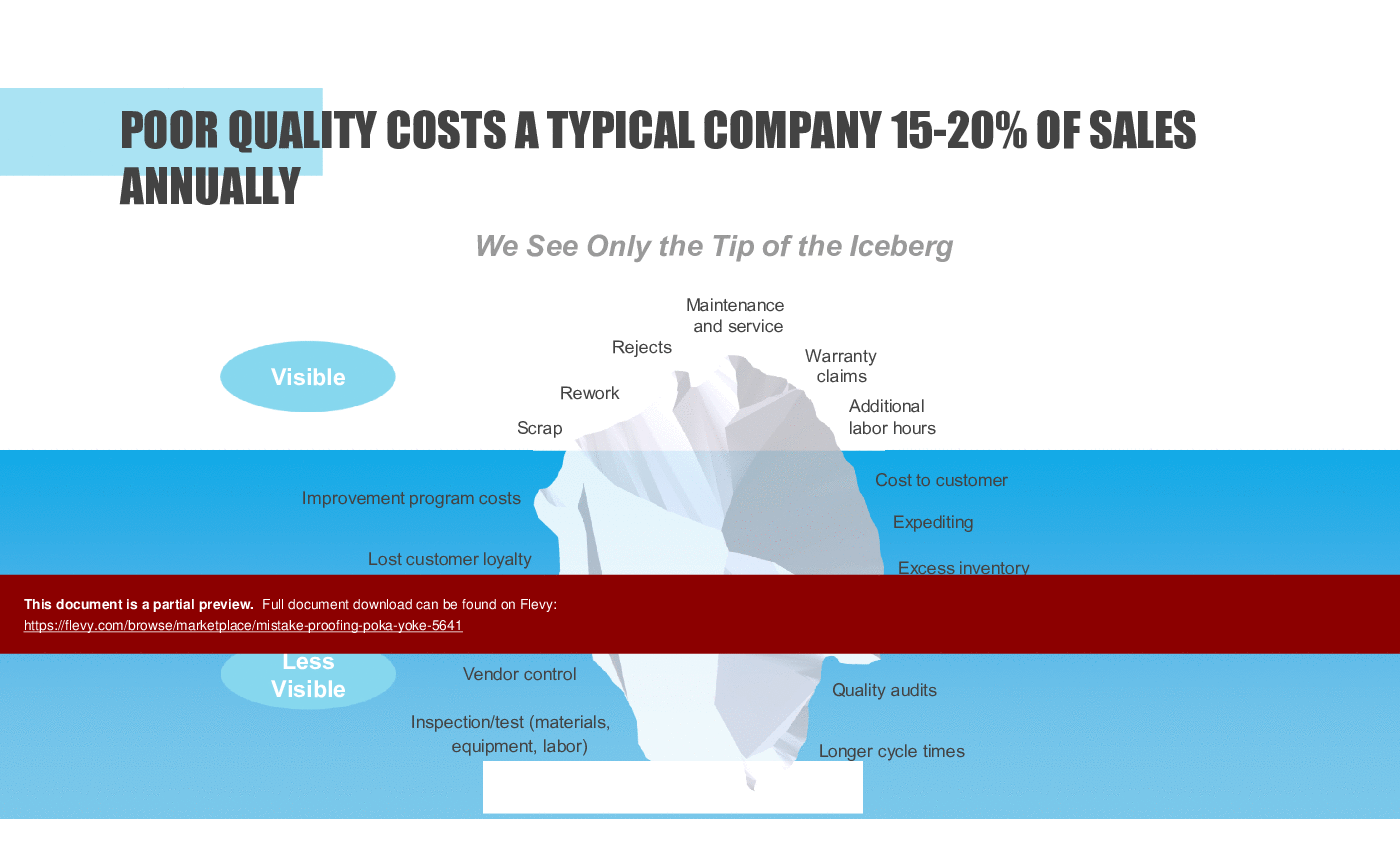
• Poor Quality Costs a Typical Company 15-20% of Sales Annually
• Statistical Quality Control vs. Zero Quality Control
• Quality Levels & Improvement Approaches
• What is Zero Quality Control?
• Mistake-proof is the Apex of Quality
• ZQC is the Mistake-proofing Approach to Zero Defects
• Why Focus on Zero Defects?
• How ZQC Makes Your Work Easier
• What Causes Defects?
• Goal of ZQC
• The Traditional Quality Improvement Cycle
• Integrating Do & Check is the ZQC Approach
2. Basic Elements of the ZQC System
• The Four Elements of ZQC
• Source Inspection
• Three Approaches to Product Inspection and their Results
• Judgment Inspections Discover Defects
• Informative Inspections Reduce Defects
• Statistical Quality Control (SQC)
• Successive Checks
• Self-Checks
• Source Inspections Prevent Defects
• 100 Percent Inspection Catches All Errors
• A Short Feedback Loop Means Quicker Action on Problems
• Poka-yoke Catch Errors We Might Have Missed
3. Using Poka-yoke Systems
• What is Poka-yoke?
• What Poka-yoke Is Not
• Poka-yoke and Jidoka
• Everyday Examples of Poka-yoke
• Common Errors in Operations and Assembly
• Requirements of a Good Poka-yoke System
• Two Approaches to Poka-yoke
• Dual Focus of Poka-yoke Systems
• Poka-yoke Systems in Source Inspections
• Poka-yoke Systems in Informative Inspections
• How Poka-yoke Systems Regulate the Process
• Contact Methods
• Fixed-value Methods
• Motion-step Methods
• Types of Sensing Devices
• Warning Sensors
• Devices that Link to Poka-yoke Sensors
4. Examples of Poka-yoke Applications
• Safety Cover
• Go / No Go
• Dispensing Equipment
• Space Separation
• Kitting
• Pick-to-Light
• Rhythmic Movement
• Highlight
• Time Separation
• Traffic Flow
• Trend Prediction
• Eliminate Replacement Alternative (ERA)
• Checklists
• 5S Workplace Organization
• Tool Board/Drawer
• Drive Tension Guides
• Pharmacy
• Medical Records
• Alternative Use of Resources
• Rejects or Materials Hold for QA
• Three Rules of Poka-yoke
5. Limitations and Best Practices
• Limitations of Poka-yoke and the ZQC System
• Best Practices
Got a question about the product? Email us at support@flevy.com or ask the author directly by using the "Ask the Author a Question" form. If you cannot view the preview above this document description, go here to view the large preview instead.
Executive Summary
The Mistake-Proofing (Poka-Yoke) presentation is designed to equip organizations with the strategies and tools necessary to achieve Zero Quality Control (ZQC). Developed by a Certified Lean Six Sigma Black Belt with extensive experience at leading firms, this presentation outlines the principles of mistake-proofing systems that prevent defects before they occur. By implementing these methodologies, organizations can enhance operational efficiency, reduce costs associated with defects, and foster a culture of continuous improvement.
Who This Is For and When to Use
• Quality Assurance Managers focused on defect reduction strategies
• Operations Managers aiming for process optimization
• Lean Six Sigma practitioners seeking to implement ZQC
• Training and Development teams responsible for employee education
• Executives interested in fostering a culture of quality within their organizations
Best-fit moments to use this deck:
• During quality improvement workshops to introduce ZQC concepts
• In training sessions for employees on mistake-proofing techniques
• When developing or revising quality control processes
• For strategic planning meetings focused on operational excellence
Learning Objectives
• Gain knowledge on the key concepts and principles of Zero Quality Control
• Identify the limitations and best practices of mistake-proofing
• Learn the approaches, methods, and tools for designing and implementing poka-yoke systems
• Understand how to create a culture of zero defects within the organization
• Develop skills to apply mistake-proofing techniques in various operational contexts
Table of Contents
• Introduction to Zero Quality Control (ZQC) (page 5)
• Basic Elements of the ZQC System (page 36)
• Using Poka-Yoke Systems (page 53)
• Examples of Poka-Yoke Applications (page 91)
• Limitations & Best Practices (page 115)
Primary Topics Covered
• Zero Quality Control (ZQC) - An approach aimed at achieving zero defects by controlling processes to prevent errors from becoming defects.
• Mistake-Proofing Systems - Techniques and devices designed to prevent errors in manufacturing and service processes.
• Source Inspection - A proactive inspection method that ensures conditions are in place to produce quality products before processing.
• Feedback Loops - Mechanisms that provide immediate corrective action to prevent defects from occurring.
• Poka-Yoke Applications - Real-world examples demonstrating the implementation of mistake-proofing systems across various industries.
• Cultural Change - The importance of fostering a quality-minded culture to support ZQC initiatives.
Deliverables, Templates, and Tools
• Poka-yoke system implementation guide
• Training materials for employee education on ZQC principles
• Templates for documenting mistake-proofing processes
• Checklists for evaluating current quality control measures
• Case studies showcasing successful poka-yoke applications
Slide Highlights
• Overview of Zero Quality Control principles and their importance
• Visual representation of the traditional quality improvement cycle versus the ZQC approach
• Examples of effective poka-yoke systems in various industries
• Key statistics highlighting the cost of poor quality and the benefits of defect prevention
• Best practices for implementing mistake-proofing systems
Potential Workshop Agenda
Introduction to ZQC (30 minutes)
• Discuss the principles of Zero Quality Control
• Review the importance of a quality-minded culture
Poka-Yoke Systems Overview (45 minutes)
• Explore various types of mistake-proofing systems
• Analyze case studies of successful implementations
Interactive Activity (30 minutes)
• Brainstorm potential applications of poka-yoke in participants' workplaces
• Share findings and discuss implementation strategies
Customization Guidance
• Tailor the presentation to reflect specific industry challenges and examples relevant to your organization.
• Adjust the training materials to align with existing quality control frameworks and terminology.
• Incorporate company-specific data and case studies to enhance relatability and engagement.
Secondary Topics Covered
• The role of leadership in fostering a quality culture
• Techniques for measuring the effectiveness of poka-yoke systems
• Common pitfalls in implementing mistake-proofing strategies
• The relationship between ZQC and Lean methodologies
• Strategies for sustaining a culture of continuous improvement
FAQ
What is Zero Quality Control (ZQC)?
ZQC is an approach focused on eliminating defects by controlling processes to prevent errors before they occur, rather than relying on inspection after the fact.
How does mistake-proofing work?
Mistake-proofing involves implementing systems and devices that either prevent errors or alert operators to correct them before defects occur.
Can poka-yoke systems be applied in service industries?
Yes, poka-yoke systems can be effectively applied in service industries to enhance quality and prevent errors in processes such as customer service and healthcare.
What are the limitations of poka-yoke systems?
Limitations include the need for a culture that supports quality initiatives, potential resistance from employees, and the requirement for ongoing maintenance of the systems.
How can we measure the success of implementing poka-yoke systems?
Success can be measured through reductions in defect rates, improvements in customer satisfaction, and cost savings associated with fewer errors.
What are some common examples of poka-yoke applications?
Examples include safety covers on machinery, go/no-go gauges for parts, and visual aids in assembly processes to guide operators.
How do we create a culture of zero defects?
Creating a culture of zero defects involves leadership commitment, employee training, and continuous reinforcement of quality principles throughout the organization.
What is the role of feedback loops in ZQC?
Feedback loops provide immediate information about errors, allowing for quick corrective actions to prevent defects from occurring.
Glossary
• Poka-Yoke - A mistake-proofing system designed to prevent errors in processes.
• Zero Quality Control (ZQC) - An approach aimed at achieving zero defects through proactive quality measures.
• Source Inspection - An inspection method that identifies errors before they lead to defects.
• Feedback Loop - A mechanism for providing immediate corrective action in response to errors.
• Continuous Improvement - Ongoing efforts to enhance products, services, or processes.
• Defect - A failure to meet a specified requirement or standard.
• Error - A mistake that can lead to a defect if not corrected.
• Quality Culture - An organizational environment that prioritizes quality in all processes.
• Lean Methodologies - A systematic approach to minimizing waste within a manufacturing system.
• Visual Aids - Tools used to enhance understanding and communication in processes.
• Cost of Poor Quality - The costs associated with defects, including rework, scrap, and lost customer satisfaction.
• Best Practices - Proven methods and techniques that lead to superior results.
Source: Best Practices in Mistake-Proofing PowerPoint Slides: Mistake-Proofing (Poka-Yoke) PowerPoint (PPTX) Presentation Slide Deck, Operational Excellence Consulting
This document is available as part of the following discounted bundle(s):
Save %!
Zero Defect (ZD) Quality Improvement
This bundle contains 3 total documents. See all the documents to the right.
|
Receive our FREE presentation on Operational Excellence
This 50-slide presentation provides a high-level introduction to the 4 Building Blocks of Operational Excellence. Achieving OpEx requires the implementation of a Business Execution System that integrates these 4 building blocks. |